How Mobile Homes Are Moved: Full Guide to the Moving Process
How Mobile Homes Are Moved | Complete Guide to Mobile Home Transport.

Moving a mobile home is a complex process that involves specialized equipment, professional movers, state permits, safety inspections, and careful site preparation. Whether you’re relocating your manufactured home within the same park or transporting it to another city, understanding how mobile homes are moved will help you plan safely, legally, and cost-effectively.
Below is a breakdown of the full mobile home moving process.
1. Pre-Move Inspection and Home Evaluation
Before anything is moved, licensed mobile home movers conduct a detailed inspection. This ensures the home is safe for transport.
Key checks include:
- Frame and chassis condition
- Axles, wheels, and tongue (needed for towing)
- Roof and siding stability
- Plumbing, HVAC, and electrical disconnections
- Structural soundness to withstand vibration and movement
Older homes or ones that have been stationary for decades may require repairs or additional reinforcement.
2. Securing Permits and Legal Requirements
Mobile homes cannot be moved without the proper state and local permits. Movers typically handle this process.
Common permits include:
- Oversized load permits
- Title and tax clearance
- Moving permits from the county
- Escort vehicle permits (pilot cars)
Each state has its own regulations and road requirements. Homes wider than standard lanes must be escorted by lead and follow vehicles.
3. Preparing the Home for Transport
Before towing begins, movers prepare the mobile home by securing everything inside and out.
Preparation steps:
- Removing skirting, decks, porches, and steps
- Disconnecting utilities (water, sewer, power, gas)
- Securing windows, doors, cabinets, and appliances
- Installing temporary bracing if needed
- Lifting the home to install axles and wheels
This step ensures structural safety during transportation.
4. Loading and Lifting the Mobile Home
Once prepared, hydraulic jacks are used to lift the home so that wheels and axles can be installed. The tongue (also called the hitch) is attached to the frame to prepare for towing.
Equipment used:
- Heavy-duty hydraulic jacks
- Specialized trailers
- Multi-axle towing systems
- Reinforced hitches
Homes are then securely strapped, braced, and connected to the towing truck.
5. Transporting the Mobile Home
With everything loaded, the mobile home is hauled to its new location. Transport is done by certified mobile home hauling companies using powerful escort trucks.
Key transport factors:
- Road restrictions and approved travel routes
- Weather conditions
- Speed limits for oversized loads
- Highway and bridge clearance
- Escort vehicle guidance
Depending on distance, moving a mobile home may require overnight parking in designated lots.
6. Setting Up the Mobile Home at the New Location
Once the mobile home arrives, movers perform a complete setup process to ensure it is level, safe, and ready to live in.
Setup includes:
- Blocking and leveling the home
- Anchoring the home to meet local wind-zone requirements
- Reconnecting utilities (water, sewer, electrical)
- Installing new skirting
- Reattaching steps, decks, or porches
- Checking for structural alignment
A final inspection ensures the home meets local codes or park regulations.
How Much Does It Cost to Move a Mobile Home?
Costs vary based on distance, size, permits, and setup needs.
Typical cost ranges:
- Single-wide: $2,000 – $8,000
- Double-wide: $5,000 – $15,000
- Long-distance moves: $10,000 – $25,000+
Additional costs may include:
- New skirting
- Utility reconnections
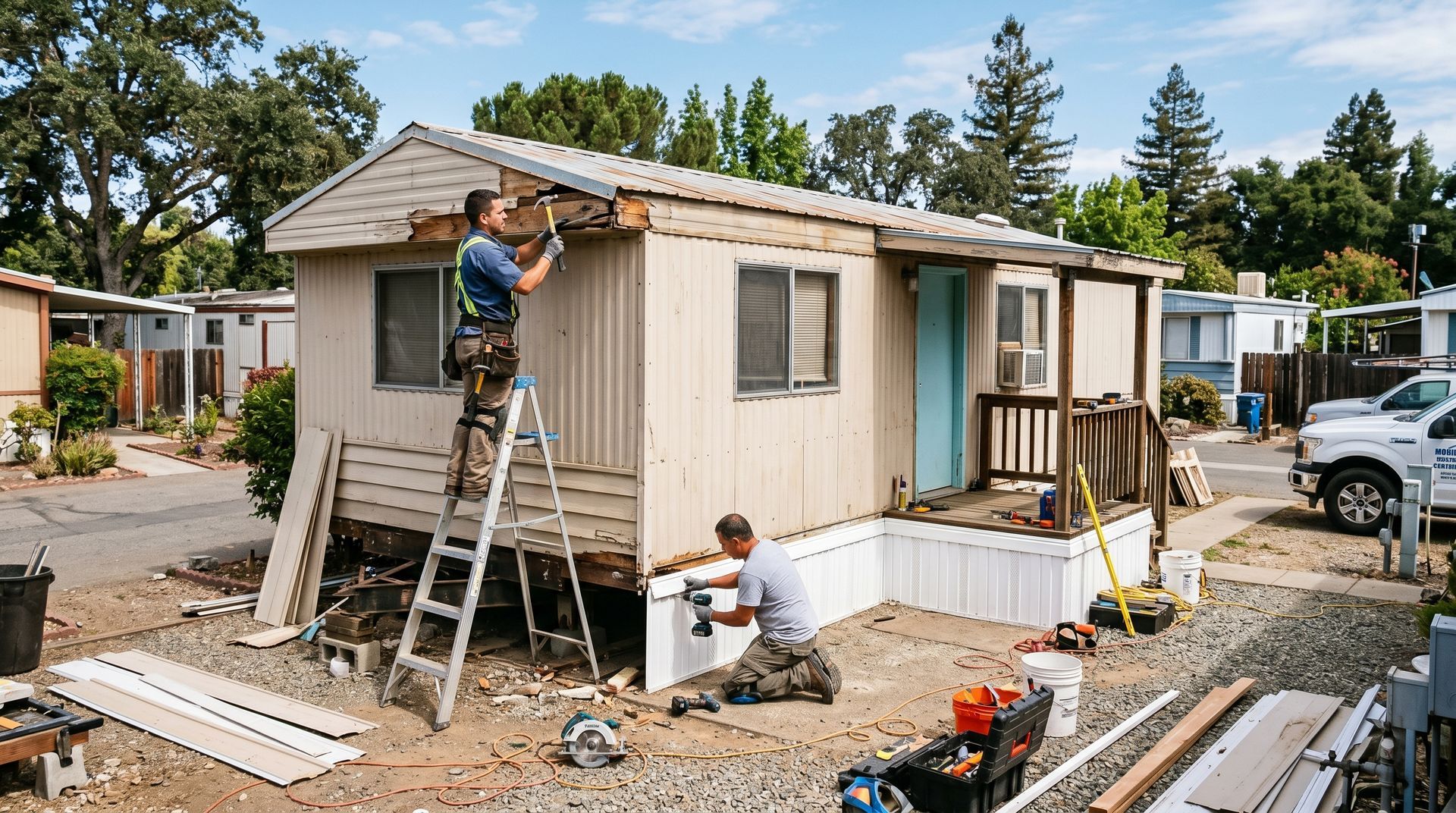
- Repairs before and after the move
- Escort vehicle fees
- Oversized load permits
Factors That Affect Mobile Home Moving Costs
1. Size and weight of the home
Larger double-wides often need to be split into two sections.
2. Distance traveled
Longer moves mean higher fuel and labor costs.
3. Age and condition
Older homes might require frame repairs or extra reinforcement.
4. Terrain and access
Uneven land or narrow roads increase complexity.
5. Permit and inspection requirements
Every region has different regulations.
Can You Move a Mobile Home Yourself?
No. Mobile homes cannot legally or safely be moved without licensed mobile home movers.
Professional transport is required due to:
- Oversized load restrictions
- Safety inspections
- Insurance coverage
- Special hauling equipment
DIY moving is not allowed and extremely dangerous.
Conclusion: Understanding How Mobile Homes Are Moved
Moving a mobile home is a multi-step process involving inspections, permits, transportation, and professional setup. By hiring licensed movers and preparing in advance, homeowners can ensure a smooth, safe, and stress-free relocation. Whether moving across town or across the state, knowing each step of the mobile home moving process helps you plan accurately and avoid costly surprises.
Sell your Mobile Home now,
📞 770-744-3075
🌐 Cash4MobileHomesGA.com
📧 info@cash4mobilehomesga.com
Click on the link to get in touch : https://www.cash4mobilehomesga.com/how-it-works