What Happens If Your Mobile Home Won’t Sell?
Practical Options for Owners Stuck With a Property That Isn’t Moving
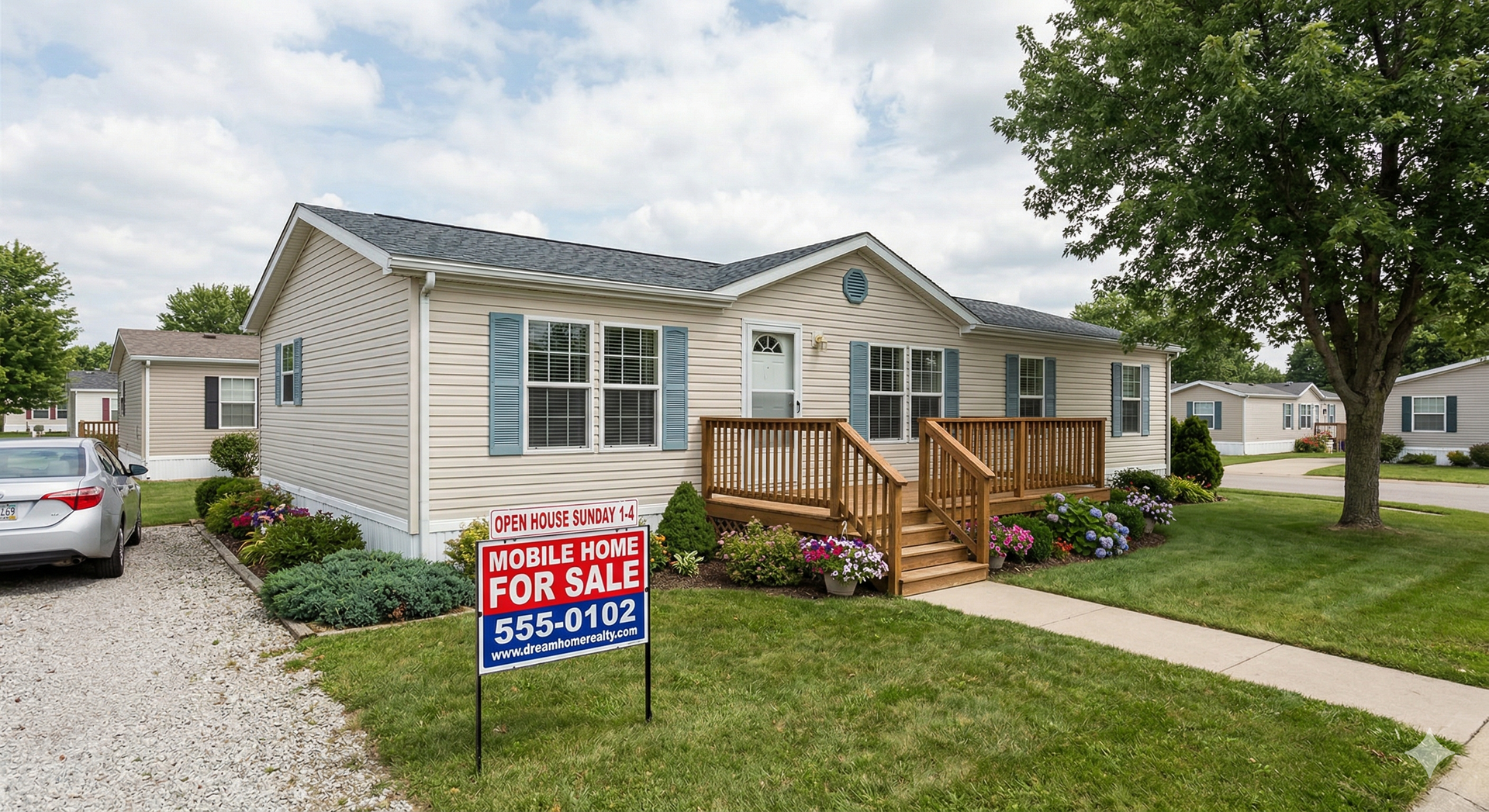
Putting your mobile home on the market can feel like the start of a fresh chapter. You expect inquiries, serious buyers, and a reasonable timeline to close the deal.
But what happens when none of that happens?
Weeks turn into months. Showings slow down. Buyers disappear. Offers never come—or the ones you do receive are far below expectations.
If your mobile home won’t sell, you’re not alone.
Many mobile home owners face this exact situation, often without understanding why it’s happening or what to do next. The good news is that a slow or stalled sale doesn’t mean you’re out of options.
In this guide, we’ll explore the most common reasons mobile homes struggle to sell, the hidden costs of waiting, and the practical alternatives available if your property just isn’t moving.
Common Reasons Mobile Homes Don’t Sell
The first step in solving the problem is understanding what may be causing it.
Mobile homes face different challenges than traditional houses, and several factors can impact buyer interest.
Common reasons include:
- Pricing too high for the local market
- Significant repair or condition issues
- Poor listing photos or weak descriptions
- Limited financing options for buyers
- Park approval restrictions
- Title or paperwork complications
- Low demand in your area
Sometimes the issue is obvious. Other times, it’s a combination of small factors that collectively discourage buyers.
Understanding the root cause helps determine the right next move.
Pricing May Be Turning Buyers Away
Pricing is one of the most common reasons a mobile home doesn’t sell.
Many owners naturally want to maximize their return, especially if they’ve invested money into repairs or improvements.
However, emotional pricing can work against you.
Buyers compare listings quickly, and if your asking price feels unrealistic compared to similar homes, they may never even inquire.
Unlike traditional real estate, mobile homes often have tighter pricing ceilings due to:
- Age
- Depreciation
- Financing limitations
- Local demand
Even a small pricing mismatch can significantly reduce interest.
If your home has been listed for a long time with little activity, pricing deserves an honest review.
Condition Problems Can Limit Buyer Interest
Buyers often make fast judgments based on condition.
Visible issues like:
- Roof leaks
- Damaged flooring
- Water stains
- Outdated interiors
- Broken fixtures
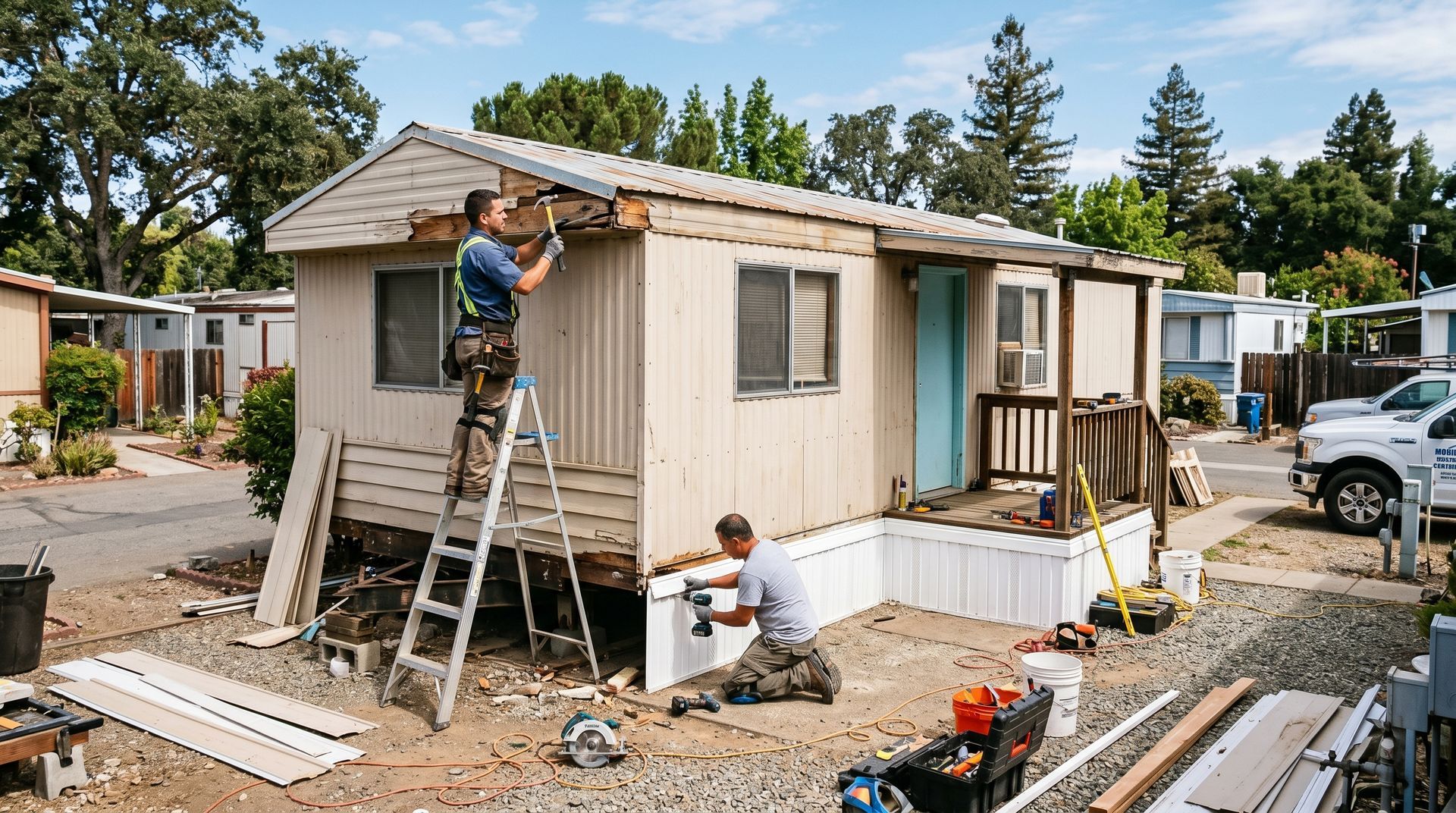
- Exterior wear
can make buyers assume the home needs expensive repairs.
Even if the actual problems are manageable, poor presentation increases perceived risk.
Many buyers simply move on rather than investigate further.
Condition doesn’t always need to be perfect—but obvious neglect can absolutely slow the sale.
Financing Challenges Shrink the Buyer Pool
This is one of the biggest hidden issues in mobile home sales.
Many buyers rely on financing, but older mobile homes often don’t qualify easily for traditional loans.
Factors affecting financing include:
- Age of the home
- Whether land is included
- Park location
- Title classification
- Overall condition
If financing options are limited, fewer buyers can realistically purchase the property.
This often explains why a mobile home receives inquiries but no serious progress.
The buyer may like the property—but simply can’t secure funding.
Park Rules Can Complicate the Sale
If your mobile home sits inside a community or park, management rules may impact buyers.
Potential restrictions include:
- Background checks
- Income verification
- Age restrictions
- Pet policies
- Community approval processes
Even an interested buyer may be rejected by park management.
This creates uncertainty that discourages some buyers from moving forward.
Sellers sometimes don’t realize how much park policies affect buyer confidence.
Poor Listing Presentation Hurts First Impressions
Online listings often determine whether buyers click—or keep scrolling.
Weak presentation can kill interest instantly.
Common listing mistakes include:
- Dark or blurry photos
- Cluttered interiors
- Poor descriptions
- Missing details
- No clear pricing explanation
Buyers make emotional judgments quickly.
Even if your home has potential, poor presentation can make it seem less desirable.
Improving photos and listing quality sometimes helps—but not always if larger issues exist.
Title or Paperwork Problems Cause Delays
Paperwork issues can quietly derail sales.
Common complications include:
- Missing titles
- Ownership disputes
- Unreleased liens
- Incorrect owner names
- Tax problems
- Probate or inheritance complications
Buyers often avoid uncertainty.
If paperwork seems messy, many will simply move on to easier opportunities.
These issues can usually be solved—but they do add time and friction.
The Hidden Cost of Waiting
A home sitting unsold doesn’t just create frustration—it creates real financial costs.
Owners may continue paying:
- Lot rent
- Utilities
- Insurance
- Taxes
- Maintenance expenses
If the home is vacant, risks increase further:
- Weather damage
- Mold
- Theft
- Vandalism
- Pest problems
Month after month, these expenses quietly reduce your eventual net outcome.
Waiting can become surprisingly expensive.
Should You Lower the Price Again?
Lowering the price is the first strategy many sellers consider.
Sometimes it helps.
If the issue is purely pricing, a realistic adjustment may attract new interest.
But repeated price cuts can create problems:
- Buyers assume something is wrong
- Lowball offers become more common
- Seller confidence drops
Price reductions only make sense if pricing is truly the core issue.
If financing, condition, or paperwork are the real barriers, lower pricing alone may not solve much.
Is It Worth Making Repairs?
Some sellers consider repairing the property to improve appeal.
This can help in specific situations—but it’s not always financially smart.
Small improvements that may help:
- Cleaning
- Decluttering
- Paint touch-ups
- Fixing visible minor issues
Larger renovations often become risky:
- Roof replacement
- Full flooring updates
- Kitchen remodels
- Structural work
Major repairs may cost more than the increase in sale value.
Before spending money, calculate whether the investment truly improves your outcome.
Alternative Selling Options
If the traditional path isn’t working, other options exist.
These may include:
- Cash buyers
- Investor buyers
- Seller financing
- Rent-to-own arrangements
- Donation or disposal solutions
Each comes with pros and cons.
The right option depends on your timeline, financial goals, and tolerance for complexity.
Seller Financing: An Alternative With Risk
Seller financing can attract buyers who cannot secure traditional loans.
In this model, you essentially act as the lender while receiving payments over time.
Advantages:
- Larger buyer pool
- Potentially higher sale price
Risks:
- Missed payments
- Legal complications
- Extended involvement with the property
- Potential repossession issues
This approach can work—but it’s not ideal for sellers wanting speed and simplicity.
Rent-to-Own Can Create Delays
Rent-to-own may appear attractive because it creates a path for buyers with limited financing.
But it also creates uncertainty.
Possible challenges:
- Tenant payment issues
- Maintenance disputes
- Delayed ownership transfer
- Legal enforcement headaches
For owners seeking a clean exit, this option often becomes more stressful than expected.
When Selling As-Is Makes More Sense
If your home won’t sell due to condition, financing limitations, or urgency, selling as-is may be the most practical route.
Selling as-is means:
- No repairs
- No upgrades
- No staging pressure
- No waiting for traditional financing
This can dramatically simplify the process.
For many frustrated sellers, the convenience outweighs chasing an uncertain higher price.
How a Cash Sale Changes the Process
Cash sales solve many of the common barriers traditional buyers face.
Because financing isn’t involved:
- Loan denials disappear
- Closings move faster
- Fewer contingencies exist
Cash buyers often purchase homes:
- In older condition
- With cosmetic damage
- As-is
- On flexible timelines
For stuck sellers, this can be a significant advantage.
Warning Signs You Need a Different Strategy
It may be time to change your approach if:
- Your home has been listed for months
- Buyers disappear repeatedly
- Financing keeps falling through
- Repair costs keep increasing
- Monthly holding costs are becoming stressful
- You feel stuck and frustrated
Recognizing these signs early helps you avoid wasting more time and money.
Choosing the Right Next Step
Every seller’s situation is different.
Ask yourself:
- Do I need speed?
- Am I willing to invest in repairs?
- Can I keep paying monthly costs?
- Do I want simplicity or maximum price?
- Is waiting financially realistic?
Your answers will guide the best strategy.
Final Thoughts
A mobile home that won’t sell can feel incredibly frustrating—but it doesn’t mean you’ve run out of options.
Whether the issue is pricing, condition, financing, paperwork, or market demand, solutions exist.
The most important step is recognizing when the current strategy isn’t working.
For some sellers, improving the listing makes sense.
For others, continuing to wait only increases costs and stress.
Sometimes the smartest move is choosing a faster, simpler alternative that helps you move forward with confidence.
📞 Ready to Sell Your Mobile Home?
Stop waiting for buyers that may never come.
👉 Get a free, no-obligation cash offer today
📩 Contact Cash4MobileHomes now
📍 Georgia Location
📞 770-744-3075
🌐 Cash4MobileHomesGA.com
📧
info@cash4mobilehomesga.com
📍 Alabama Location
📞 334-324-1139
🌐 Cash4MobileHomesAL.com
📧
info@cash4mobilehomesal.com