Can I Sell My Mobile Home If It Has Major Damage? Your As-Is Selling Guide
This is a subtitle for your new post
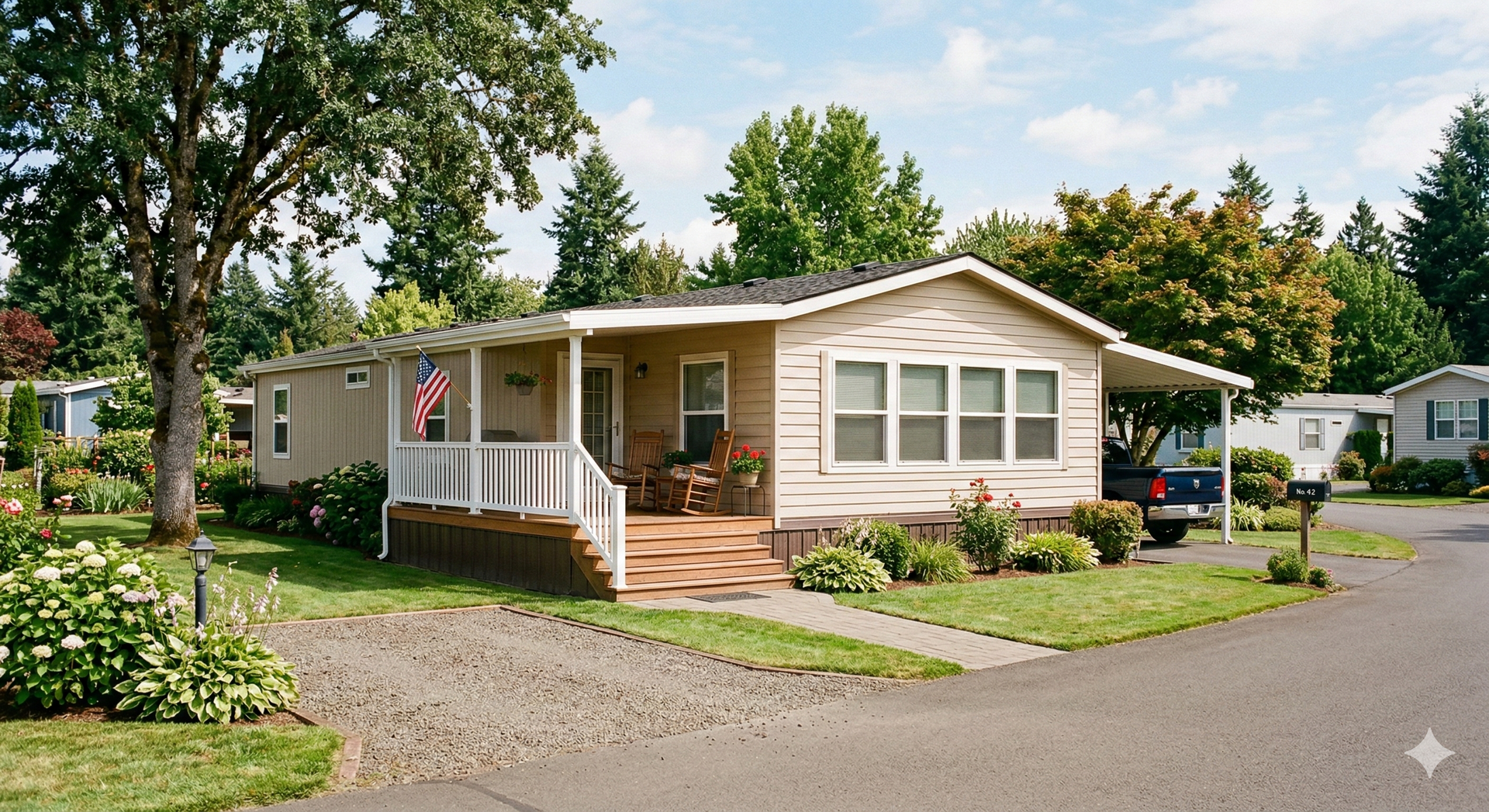
If your mobile home has serious problems—such as water damage, fire damage, roof leaks, soft floors, or structural issues—you may be wondering whether selling is even possible. Many owners assume that once a mobile home has major damage, it becomes unsellable.
The truth is very different.
You can sell a damaged mobile home. The key is understanding how damage affects value, what buyers look for, and which selling strategy makes the most sense for your situation.
What Counts as Major Damage in a Mobile Home?
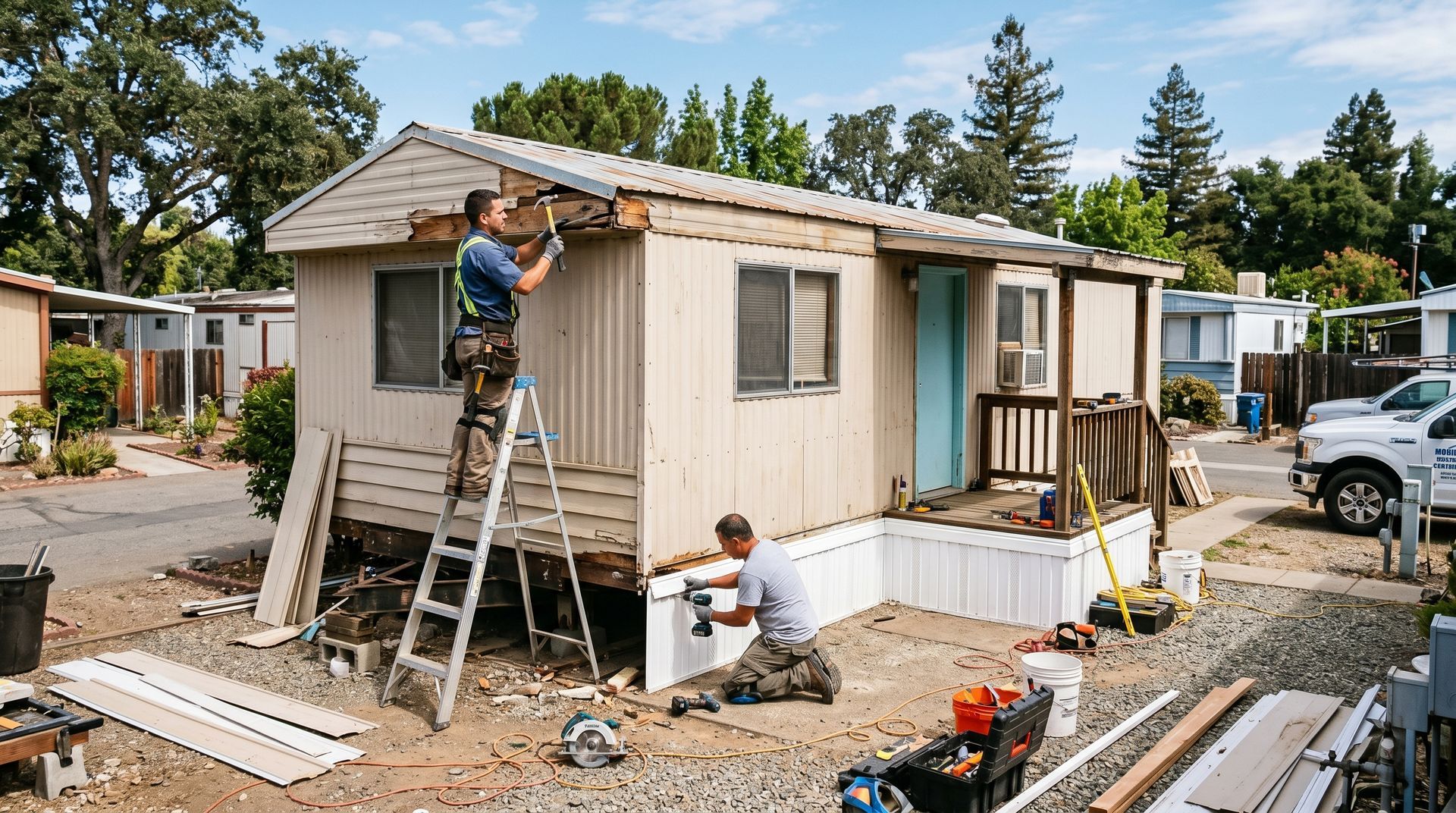
Major damage typically involves issues that affect safety, structural integrity, or habitability. This can include significant roof leaks, subfloor rot, mold from water intrusion, electrical problems, HVAC failure, fire damage, or storm-related destruction.
Because mobile homes are built differently from traditional houses, moisture and structural issues can spread faster if not addressed early. Repairs can quickly become expensive, especially in older homes.
When repair costs begin to approach the overall value of the home, many sellers start looking for alternatives to renovation.
Can You Legally Sell a Damaged Mobile Home?
In most cases, yes. You can legally sell a mobile home with major damage as long as you disclose known issues honestly. Disclosure laws vary by state, but transparency protects both the seller and buyer.
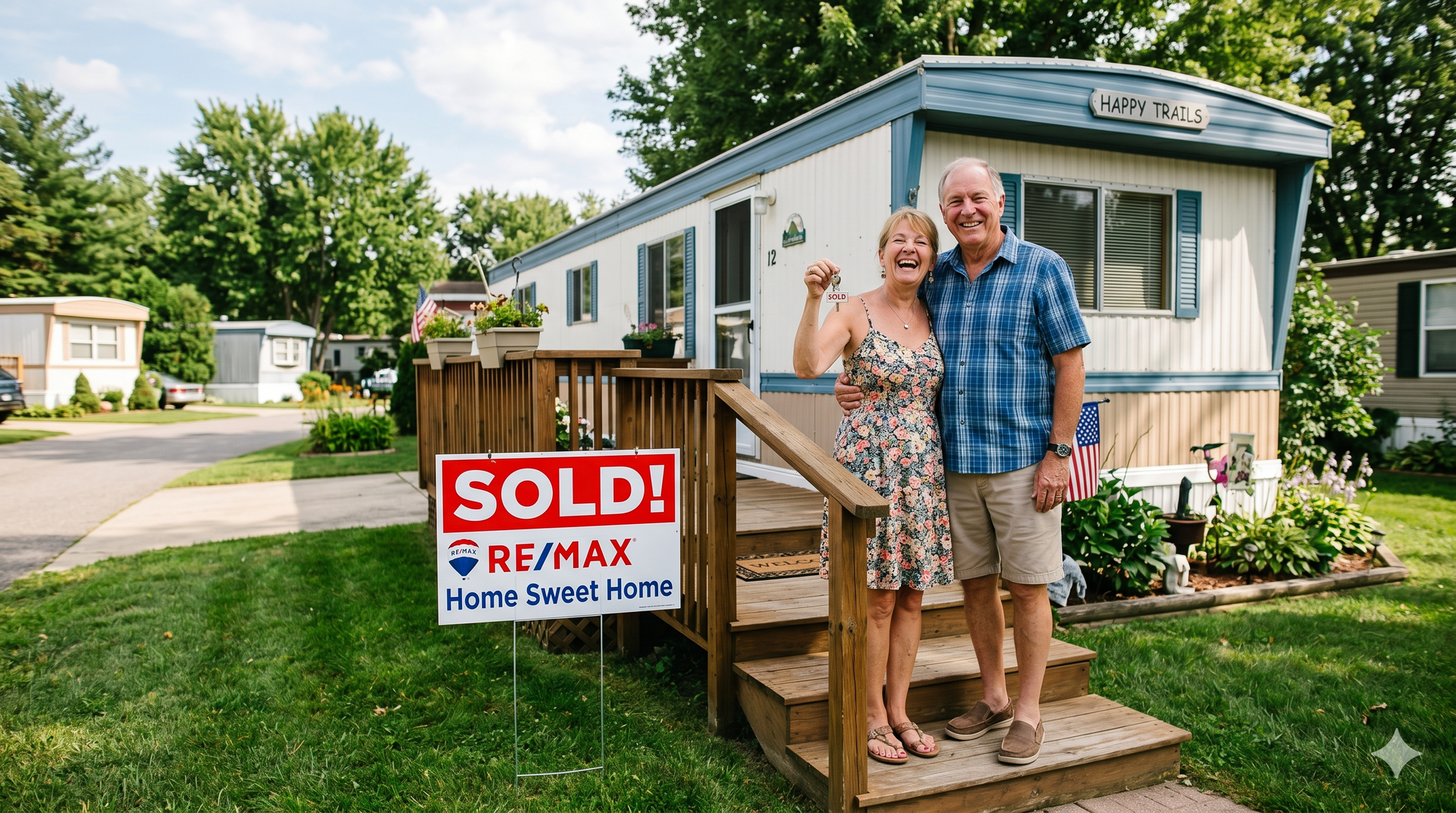
Selling “as-is” simply means the buyer agrees to purchase the property in its current condition. You are not required to fix the problems before closing. Many buyers specifically look for as-is properties, especially investors or professional cash buyers for mobile homes.
How Damage Affects Mobile Home Value
Damage directly reduces market value because buyers factor repair costs into their offers. If a roof replacement costs $8,000 or flooring repairs cost several thousand dollars, that amount will typically be deducted from the offer price.
Water damage, mold, and structural issues often have the biggest impact because they carry uncertainty and potential hidden costs. Cosmetic damage like worn flooring or outdated cabinets usually affects price less dramatically.
While it may feel disappointing to receive lower offers, remember that selling without making repairs also means you avoid spending money upfront.
Should You Repair or Sell As-Is?
This depends on your timeline, budget, and goals.
Repairing might make sense if the damage is limited and affordable, and if you have time to wait for a traditional buyer who needs financing.
Selling as-is may be a better option if the repairs are extensive, you need to relocate quickly, or you are facing financial pressure such as loan default or back lot rent.
In mobile home parks, financing can already be limited. If the home has major damage, lenders may decline loans entirely, reducing your buyer pool to cash buyers.
For many sellers, avoiding renovation stress and contractor delays is worth accepting a slightly lower offer.
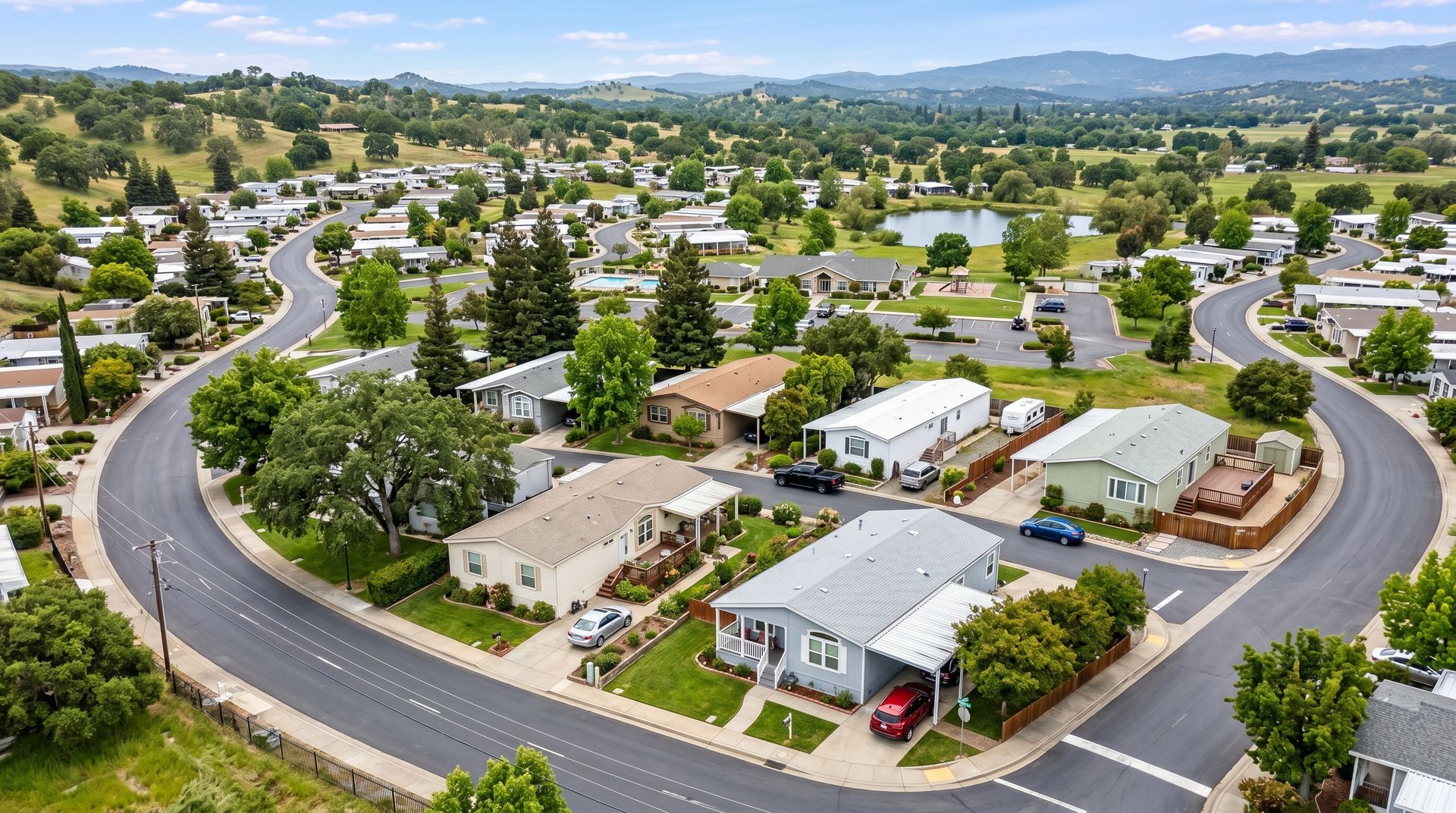
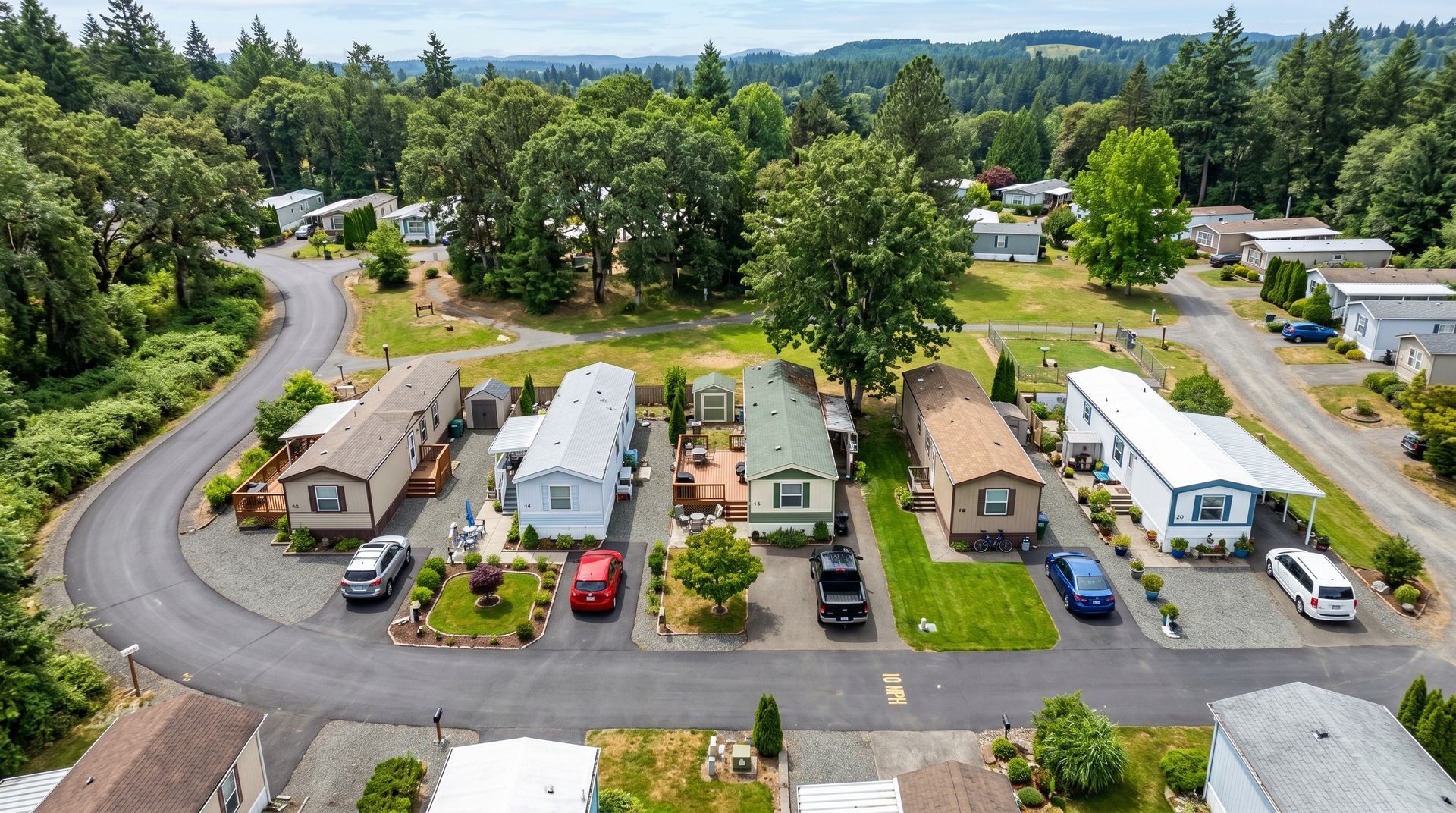
What If the Mobile Home Is in a Park?
If your mobile home is located in a park, you do not own the land underneath it. This adds another layer of complexity. Lot rent continues whether the home is damaged or not, and park approval is often required for new buyers.
If you are behind on lot rent and the home needs repairs, waiting to renovate can increase financial pressure. Selling quickly can prevent eviction proceedings and reduce ongoing costs.
Understanding park policies and acting early gives you more flexibility.
Insurance Considerations
If the damage resulted from a covered event such as a storm or fire, reviewing your insurance policy is important. An insurance claim may help offset losses.
However, insurance payouts can take time. If you are facing urgent financial issues, waiting for claim resolution may not be practical.
Each situation is different, and evaluating both insurance and selling options together often provides the clearest path forward.
Why Some Buyers Prefer Damaged Mobile Homes
Certain buyers specialize in purchasing damaged mobile homes because they have the experience and resources to handle repairs efficiently. These buyers often pay cash and are not limited by traditional lender requirements.
Because they are not waiting on financing approval or repair contingencies, transactions can move much faster. For sellers who prioritize speed and certainty, this can be a major advantage.
Common Mistakes to Avoid
One of the biggest mistakes sellers make is overestimating what the home is worth after damage. Emotional attachment can make it difficult to accept a lower price, but realistic pricing attracts serious buyers.
Another mistake is waiting too long while expenses accumulate. Loan payments, lot rent, insurance, and taxes continue even if the home is unlivable.
Taking action sooner typically provides more options than waiting until financial pressure intensifies.
Final Thoughts: Damage Doesn’t Mean You’re Stuck
Major damage does not automatically make your mobile home unsellable. While repairs can be expensive and overwhelming, selling as-is is a legitimate and common solution.
By understanding how damage impacts value, pricing realistically, and exploring all available selling options, you can move forward with clarity instead of frustration.
If you’ve been asking whether you can sell a mobile home with major damage, the answer is yes. The right strategy depends on your goals, timeline, and financial situation—but options are available.
👉 Get a free, no-obligation cash offer today
📩 Contact Cash4MobileHomes now
📞 770-744-3075
🌐 Cash4MobileHomesGA.com
📧 info@cash4mobilehomesga.com